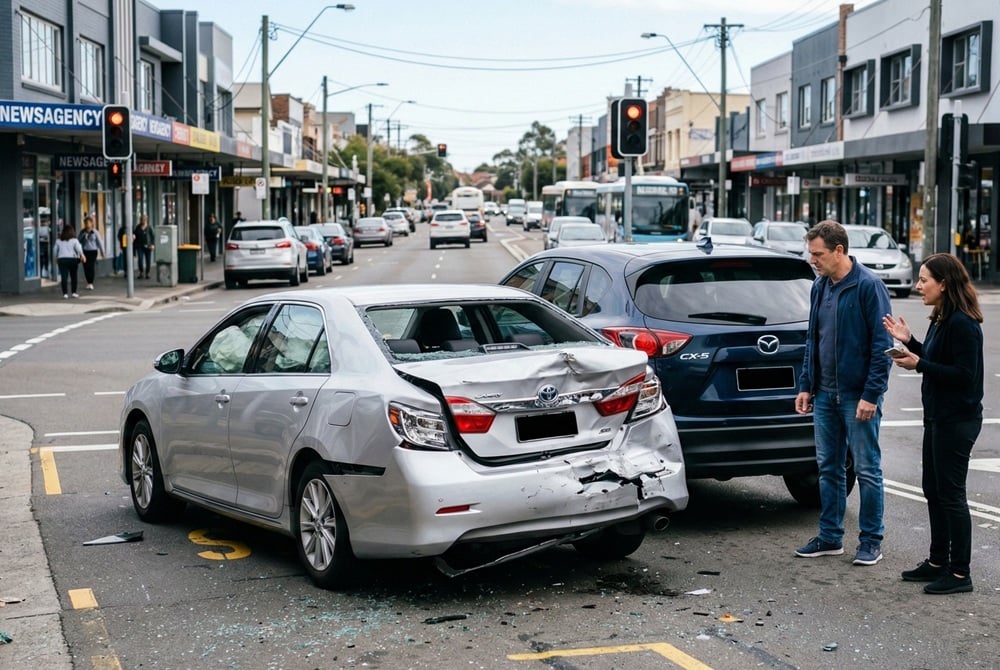
not at fault accident car insurance

In the realm of automobile insurance, one of the most frequently asked questions by policyholders is whether not at fault accidents affect their premiums. Understanding how insurance companies evaluate accident claims is crucial for drivers seeking to maintain affordable coverage.
A not at fault accident occurs when a driver is involved in a collision but is not responsible for the incident. Common examples include being hit by a reckless driver, a vehicle colliding with yours while parked, or being struck by an uninsured motorist. In these scenarios, the driver is typically not liable for damages, which raises the question of whether their insurance rates will still be impacted.
Insurance companies use various factors to determine premium rates, including the driver's previous claims history and the frequency of accidents. While not at fault accidents might not directly lead to a premium increase, they can still influence how insurers assess risk. Many insurance providers employ a system known as "claims experience," which takes into account the total number of claims filed by a driver, regardless of fault. This means that if a driver has multiple claims, even if they are not at fault, it could signal to the insurer that the driver is a higher risk.
Moreover, some states have regulations that govern how not at fault accidents are treated concerning insurance premiums. In a few jurisdictions, insurers are prohibited from raising rates for accidents where the policyholder is not responsible. However, in other regions, the rules may be more lenient, allowing insurers to raise premiums based on an overall claims history, even if some of those claims are not at fault.
It is also essential to understand that not all insurance companies handle not at fault accidents in the same way. Some may have policies that specifically exclude not at fault claims from affecting premium rates, while others may incorporate them into the overall claims experience. This inconsistency means that drivers should carefully review their policy documents and consult with their insurance agents to understand how their specific insurer treats not at fault accidents.
Additionally, the impact of a not at fault accident on insurance rates may not be immediate. While a driver may not see an increase in their premium right after the accident, the effects could manifest during the next renewal period. Insurers often reassess risk factors at policy renewal, which could lead to a premium adjustment based on the driver's claims history, including any not at fault accidents.
In conclusion, while not at fault accidents may not directly cause an increase in insurance premiums, they can still have an indirect effect on how insurers perceive a driver’s risk level. It is vital for drivers to stay informed about their insurer's policies regarding not at fault accidents and to maintain a clean driving record to potentially mitigate any negative impact on their premiums. For further information, you can also read the following article on their website.
not at fault accident car insurance